You’re craving authentic guiso de mondongo. That rich, hearty tripe stew with tender pieces of mondongo simmered in a flavorful broth. The kind your grandmother made or that you remember from childhood trips to Latin America. Finding the best guiso de mondongo near me isn’t always straightforward, but it’s worth the effort.
Guiso de mondongo represents comfort food at its finest. It’s traditional, deeply flavorful, and requires patience and skill to prepare properly. When you find a restaurant or home cook making it right, you understand why this dish endures across generations and cultures.
This guide helps you locate authentic best guiso de mondongo near me and understand what separates exceptional versions from mediocre attempts.
What Is Guiso de Mondongo
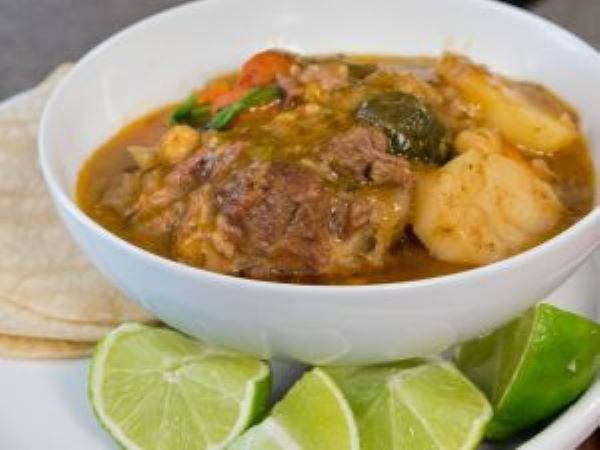
Guiso de mondongo is a traditional stew made from beef tripe cooked slowly with vegetables, spices, and broth. The dish originates from various Latin American countries, particularly Puerto Rico, the Dominican Republic, Colombia, and Peru. Each region has its own variations and cooking methods.
The foundation is mondongo, which is beef tripe cleaned and cut into strips. Quality matters significantly here. Properly cleaned and prepared tripe has a tender texture when cooked correctly. Poor preparation results in rubbery, unpleasant texture.
The dish combines tripe with soffritos, a flavor base made from onions, garlic, cilantro, and peppers. Tomato sauce, broth, and seasoning create the flavorful liquid. Vegetables like potatoes, carrots, and plantains add substance and nutrition. Some recipes include chickpeas or beans for additional heartiness.
When you search for best guiso de mondongo near me, you’re looking for this authentic preparation. The stew should be rich with depth of flavor, with tender tripe that doesn’t require excessive chewing. The broth should be savory and satisfying, carrying the essence of slow cooking and quality ingredients.
Why Guiso de Mondongo Matters in Latin American Cuisine
Understanding the cultural significance of guiso de mondongo helps you appreciate why finding the best version matters.
This dish represents resourcefulness and tradition. In many Latin American communities, using all parts of the animal was necessary and valued. Mondongo, rather than being wasted, became a celebrated ingredient. What started as necessity transformed into beloved comfort food served at family gatherings and celebrations.
The dish requires skill and patience. Proper preparation takes hours. You can’t rush a good guiso de mondongo. The slow cooking transforms tripe from a challenging ingredient into something tender and delicious. This commitment to proper preparation separates authentic versions from shortcuts.
Guiso de mondongo also represents community and continuity. Recipes pass through generations, with each cook adding their own touch. When you eat authentic guiso de mondongo, you’re tasting history and connection to cultural roots. This emotional connection is part of what makes finding the best version so rewarding.
Characteristics of Authentic Guiso de Mondongo
Knowing what to look for helps you identify quality when you find best guiso de mondongo near me.
Tender Tripe: Properly cooked mondongo should be tender without being mushy. It should yield to teeth easily but maintain slight texture. Rubbery or tough tripe indicates insufficient cooking or poor preparation.
Rich Broth: The liquid should be flavorful and slightly thick. It shouldn’t be watery. The depth of flavor comes from slow cooking, quality ingredients, and proper seasoning. When you taste the broth, you should recognize distinct flavors working together.
Visible Vegetables: Authentic versions include recognizable pieces of potato, carrot, and other vegetables. These shouldn’t be mushy. They should maintain structure and flavor.
Appropriate Spice Level: The dish should be seasoned well but not overly spicy. You taste cumin, oregano, and other seasonings. The heat level varies by region and restaurant preference.
Fresh Ingredient Quality: When restaurants use fresh soffritos and quality ingredients, the difference is obvious. Fresh cilantro, properly roasted peppers, and fresh garlic create a vibrant base that shortcuts can’t replicate.
Proper Portion Size: A good serving of guiso de mondongo is substantial. You get a generous amount of tripe along with broth and vegetables. The ratio should favor the mondongo without leaving the bowl filled with only liquid.
How to Find the Best Guiso de Mondongo Near Me
Finding quality guiso de mondongo requires knowing where to look and what to evaluate.
Seek Latin American Restaurants: Puerto Rican, Dominican, Colombian, and Peruvian restaurants typically offer guiso de mondongo. These establishments often have family recipes and cook the dish the traditional way. Start by identifying restaurants from these cuisines in your area.
Check Neighborhood Demographics: Areas with significant Latin American populations typically have restaurants specializing in traditional dishes. These neighborhoods often have multiple options for authentic guiso de mondongo.
Read Online Reviews Carefully: When checking Google Maps or Yelp for best guiso de mondongo near me, focus on reviews mentioning specific qualities. Reviewers praising tender tripe and flavorful broth are reliable. Reviews discussing authenticity and family recipes matter more than general praise.
Ask for Recommendations: Community members from specific countries often know the best places. Ask in local community groups or social media. People passionate about their cultural cuisine provide genuine recommendations.
Check Social Media: Restaurants showcasing their guiso de mondongo on Instagram usually care about presentation and quality. Food photos reveal the actual dish you’ll receive. Look for consistency in appearance across multiple photos.
Visit During Peak Hours: Many traditional restaurants make guiso de mondongo fresh daily. Visit during lunch or dinner hours when they’re preparing and serving it. You’re more likely to get fresh, hot guiso de mondongo.
Ask Restaurant Staff: When you call ahead, ask about their guiso de mondongo. Do they make it fresh daily? What’s their preparation method? Enthusiastic staff discussing their dish indicates confidence and care.
Regional Variations in Guiso de Mondongo
Different Latin American countries approach guiso de mondongo differently. Knowing these variations helps you find the version you prefer.
Puerto Rican Style: Puerto Rican guiso de mondongo typically includes tomato sauce, bell peppers, and olives. The broth is rich and slightly thick. Potatoes are common additions. The flavor profile emphasizes soffritos with cumin and oregano prominently featured. Many Puerto Rican recipes pass through generations, with families closely guarding their particular approach.
Dominican Style: Dominican versions often include more chickpeas or beans, making the dish even heartier. The spice level tends to be higher. Root vegetables like yuca and plantains might appear alongside potatoes. Dominican preparation often emphasizes the depth of soffritos cooking, creating a more complex base flavor.
Colombian Style: Colombian guiso de mondongo often includes cornmeal or flour to thicken the stew. This creates a creamier consistency. The cooking method tends to be slightly different, creating a unique texture. Colombian versions sometimes include additional spices and preparation techniques unique to regional Colombian cuisine.
Peruvian Style: Peruvian versions sometimes include different spices and might be served with lime on the side. The preparation often emphasizes freshness of ingredients alongside slow cooking. Peruvian approaches sometimes incorporate indigenous ingredients alongside traditional ones.
When searching for best guiso de mondongo near me, consider which regional style appeals to you. You might prefer Puerto Rican richness, Dominican heartiness, Colombian creaminess, or Peruvian preparations. Your preference guides where to search and what to expect.
Evaluating Your First Visit
Your first experience at a restaurant should tell you whether they make quality guiso de mondongo.
Temperature: Good guiso de mondongo arrives hot. The broth should steam. Temperature indicates the dish was made fresh and kept warm properly, not reheated repeatedly.
Aroma: The bowl should smell wonderful. You should detect garlic, cumin, oregano, and tomato. Pleasant aromas indicate fresh ingredients and proper preparation.
Texture of Tripe: This is the most important evaluation. Cut a piece with your spoon. It should yield easily but have slight texture. Taste it. It should be tender and actually taste good, not like rubber.
Broth Flavor: Taste the broth carefully. Each spoonful should reveal flavors. You should taste ingredients working together, not a one-dimensional salty broth.
Overall Balance: The dish should feel balanced. No single element should overwhelm. The tripe should be present and tender. Vegetables should contribute but not dominate. Broth should be substantial but not excessive.
Best Practices for Enjoying Guiso de Mondongo
Eating guiso de mondongo properly enhances the experience.
Pair with Appropriate Sides: Many restaurants serve guiso de mondongo with white rice. The plain rice balances the rich, complex stew. Some places offer plantains, yuca, or cassava bread alongside.
Use Proper Utensils: A spoon is your main tool. Some people use a fork to break up larger pieces. Eating slowly allows you to appreciate the flavors rather than rushing through.
Have Beverages Ready: Cold beverages complement the warm, rich stew. Agua fresca, horchata, or a cold beer pair well. Some prefer strong coffee afterward.
Appreciate the Spoon Work: Good restaurants provide sturdy spoons that won’t bend under the stew’s richness. The spoon should be substantial, indicating restaurants care about the full eating experience.
Eat with the Right Mindset: Guiso de mondongo is comfort food meant to be enjoyed mindfully. This isn’t food to rush. Take time to appreciate flavors and textures.
Restaurant Recommendations by Region
When searching for best guiso de mondongo near me, these types of establishments typically deliver quality.
Neighborhood Puerto Rican Restaurants: Family-operated establishments in Puerto Rican neighborhoods consistently make authentic guiso de mondongo. These restaurants often serve multi-generational recipes. Call ahead to confirm they have it daily.
Dominican Food Specialists: Restaurants focusing on Dominican cuisine usually include guiso de mondongo prominently. They often emphasize traditional preparation methods.
Peruvian Restaurants: If you have access to Peruvian establishments, their interpretations offer interesting variations. Peruvian cevicherías and ceviche restaurants often serve excellent guiso de mondongo alongside seafood options.
Colombian Restaurants: Colombian establishments bring their own approach to the dish. The differences in preparation method create distinct flavors worth experiencing.
Food Markets and Delis: Some Latin American food markets have prepared foods sections offering guiso de mondongo. These often come from home cooks or small producers who understand traditional preparation.
Making Guiso de Mondongo at Home
If you can’t find satisfactory versions near you, making it yourself is an option worth considering.
Source Quality Ingredients: The most challenging ingredient is properly cleaned mondongo. Ethnic markets and specialty butchers often have it. Order ahead if needed. Fresh soffritos, good quality broth, and fresh herbs are essential.
Allow Adequate Time: Proper guiso de mondongo takes three to four hours minimum. The mondongo needs time to become tender. You can’t rush this process. Plan your cooking accordingly.
Follow Traditional Methods: Resist shortcuts. The slow cooking, proper soffritos, and traditional seasoning create the final product. Recipes passed down through families have been refined over generations.
Make in Batches: The large cooking time makes sense only if you cook substantial quantities. Guiso de mondongo freezes well, allowing you to enjoy it multiple times.
Adjust to Your Preference: Once you understand the basics, adjust seasonings and ingredients to your taste. Some people prefer more vegetables. Others want additional spice. Personal preference becomes part of your version.
Navigating Dietary Preferences with Guiso de Mondongo
Understanding how guiso de mondongo fits dietary needs helps you make informed choices.
Protein Content: Mondongo provides substantial protein alongside traditional ingredients. Those seeking high-protein meals find guiso de mondongo satisfying.
Nutritional Value: Traditional ingredients offer genuine nutrition. Vegetables provide vitamins and fiber. The broth contains nutrients from slow cooking. This isn’t health food marketed as such, but it’s genuinely nourishing.
Sodium Levels: The dish tends to be relatively salty, as is common with traditional stews. Those watching sodium intake should be aware.
Allergen Considerations: Guiso de mondongo typically contains common ingredients without unusual allergens. However, always confirm with restaurants regarding specific preparations or additions.
Key Takeaways
- Best guiso de mondongo near me requires knowing what to look for: tender tripe, rich broth, quality ingredients, and authentic preparation.
- Guiso de mondongo is a traditional Latin American stew representing cultural heritage and culinary skill passed through generations.
- Different regions offer variations: Puerto Rican, Dominican, Colombian, and Peruvian versions each have distinctive characteristics.
- Proper tripe preparation is crucial. Tender mondongo that yields easily to teeth indicates quality preparation.
- Restaurants in neighborhoods with significant Latin American populations typically offer authentic guiso de mondongo.
- Online reviews mentioning specific qualities like tender tripe and flavorful broth are more reliable than general praise.
- Visiting during peak hours ensures you get fresh, hot guiso de mondongo made that day.
- Regional style preferences guide where to search. Each country’s interpretation offers distinct flavors.
- First visit evaluation should focus on tripe texture, broth flavor, and overall balance of ingredients.
- Guiso de mondongo pairs well with white rice, plantains, cold beverages, and a mindful eating pace.
- Family-operated restaurants and neighborhood establishments typically maintain highest quality standards.
- Making guiso de mondongo at home is possible but requires sourcing quality ingredients and allowing adequate cooking time.
- The dish provides substantial protein and nutrition from traditional ingredients and slow cooking methods.
- Finding authentic best guiso de mondongo near me rewards your effort with comfort food that connects you to cultural tradition.
- Whether dining out or cooking at home, the key is respecting the dish’s traditional preparation and understanding why it matters in Latin American cuisine.