You’re thinking about piononos de Santa Fe. Those distinctive spiral pastries with dulce de leche and meringue that represent Argentine tradition and craftsmanship. Finding the best piononos de Santa Fe near me means understanding what makes them special and knowing where to look for authentic versions.
Piononos de Santa Fe aren’t just desserts. They’re cultural icons from Argentina’s Santa Fe province. They carry generations of tradition in every layer. When made properly, they represent pastry craftsmanship at its finest. When made poorly, they become mediocre sweets missing the point entirely.
This guide helps you locate best piononos de Santa Fe near me and understand what separates exceptional versions from disappointing ones.
What Are Piononos de Santa Fe
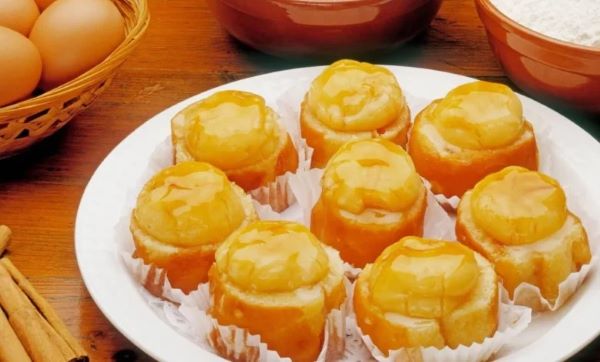
Piononos de Santa Fe are traditional Argentine pastries originating from Santa Fe province. They’re spiral-shaped pastries made from puff pastry, filled with dulce de leche, and topped with meringue and sometimes sprinkled with powdered sugar.
The construction is deceptively simple but requires skill and precision. Thin puff pastry gets rolled tightly into a spiral shape. The center fills with dulce de leche, that caramel-like Argentine staple. Egg white meringue tops the pastry. Some versions include additional elements like candied fruit or nuts.
The result is a pastry that balances crispy exterior, creamy filling, and sweet meringue topping. When executed properly, each element contributes to a complete experience. The pastry should be flaky, the dulce de leche smooth and richly flavored, and the meringue light and slightly crispy.
When you search for best piononos de Santa Fe near me, you’re looking for this precise combination. Poor versions have tough pastry, overly thick dulce de leche, or meringue that tastes artificial. Authentic versions show respect for the recipe and pride in execution.
The History and Cultural Significance
Understanding where piononos de Santa Fe come from helps you appreciate their importance.
These pastries originated in Santa Fe, Argentina, during the 19th century. The name “pioñonos” comes from the resemblance to a hairstyle called a pioña, which was a spiral bun popular in the 1800s. The connection between the pastry shape and historical hairstyles shows how food reflects cultural moments in time.
Santa Fe province created these pastries as a distinctive regional specialty. They became so associated with the province that they’re now recognized throughout Argentina and beyond as quintessential Santa Fe products. Many bakeries claim to make authentic versions, but Santa Fe bakers maintain the original recipes and techniques.
The pastries represent Argentine pastry-making tradition. Unlike some modern desserts emphasizing novelty, piononos de Santa Fe remain unchanged. The same recipe from generations ago is what people seek today. This continuity reflects cultural values around tradition and quality.
When you eat a pioñono de Santa Fe, you’re tasting history and connecting to Argentine culture. This emotional and historical dimension is part of what makes finding authentic versions rewarding.
Characteristics of Authentic Piononos de Santa Fe
Knowing what to look for helps you identify quality when searching for best piononos de Santa Fe near me.
Puff Pastry Quality: The pastry should be visibly layered when you look at the cross-section. Flaking should occur when you bite. The pastry should be crispy on the outside but tender inside. Poor quality pastry is tough or dense, indicating shortcuts in preparation.
Dulce de Leche: The filling should be smooth, thick, and have rich caramel flavor. It shouldn’t be so thick that it’s hard to bite through, nor so thin that it leaks out. Quality dulce de leche has depth of flavor, not artificial sweetness.
Meringue Topping: The meringue should be light and slightly crispy, not dense or wet. It should taste sweet but not overly so. High-quality meringue has subtle vanilla flavor and proper texture. Poor meringue is dense, rubbery, or tastes like artificial ingredients.
Proper Size and Proportion: An authentic pioñono de Santa Fe has reasonable proportions. The pastry forms the bulk of the pastry, with an appropriate amount of dulce de leche inside. The meringue tops the pastry proportionally, not excessively.
Color and Appearance: The pastry should be golden brown. The meringue should be white or light cream colored, perhaps with slight browning on peaks. The overall appearance should show care and attention to baking.
Freshness: Piononos de Santa Fe taste best when freshly made or within a day of baking. Old versions become less crispy and less pleasant. Fresh pastries show obvious quality difference from stale versions.
How to Find the Best Piononos de Santa Fe Near Me
Finding quality piononos de Santa Fe requires knowing where to look and what to evaluate.
Seek Argentine Bakeries: This is your best bet. Argentine bakeries often specialize in traditional pastries including piononos. Search for “Argentine bakery” or “panadería” in your area. These establishments typically have recipes passed through families or brought directly from Argentina.
Check Latin American Bakeries: While piononos are specifically Argentine, some Latin American bakeries make them. This is less reliable than Argentine bakeries, but worth checking if Argentine options aren’t available.
Research Online Reviews: When checking Google Maps or Yelp for best piononos de Santa Fe near me, look for reviews mentioning specific qualities. Reviews praising flaky pastry, rich dulce de leche, or authenticity are reliable. Vague praise means less information.
Look for Bakeries with Heritage: Bakeries mentioning Argentine ownership or family recipes often produce better versions. These establishments understand the cultural significance and maintain standards.
Check Social Media Presence: Bakeries showcasing their piononos on Instagram often care about quality and presentation. Look at multiple photos. Consistency in appearance across images suggests reliable quality.
Ask About Preparation Methods: Call bakeries and ask if they make piononos fresh daily. Do they use imported dulce de leche or Argentine ingredients? Detailed answers indicate pride in their work.
Visit During Peak Hours: Bakeries make fresh pastries during specific times. Visiting early morning or mid-morning increases your chances of getting fresh piononos de Santa Fe made that day.
Check Neighborhood Demographics: Areas with significant Argentine populations often have bakeries specializing in traditional pastries. These neighborhoods tend to have multiple quality options.
Argentine Bakeries and Their Approach
Understanding different bakery types helps you find quality piononos de Santa Fe.
Family-Owned Argentine Bakeries: These establishments often have recipes brought directly from Argentina. Owners and bakers understand tradition and quality standards. These are your best options for authentic piononos de Santa Fe. The pride in maintaining quality drives these bakeries.
Larger Argentine Grocery Stores: Many Argentine grocery stores have in-house bakeries. These often make piononos de Santa Fe alongside other pastries. Quality varies, but stores with strong reputations maintain standards.
Chain Bakeries with Argentine Focus: Some larger bakery chains specialize in Argentine products. Quality is usually reliable but may lack the personal touch of family operations.
Pastry Shops Specializing in Argentine Products: Some pastry shops focus exclusively on Argentine pastries. These establishments often have extensive experience and maintain highest standards.
Home Bakers Selling Locally: In some areas, home bakers sell piononos de Santa Fe through social media or farmers markets. These often represent exceptional quality but require seeking them out.
Regional Quality Differences
Different regions in Argentina produce piononos with slight variations. Understanding these differences helps you evaluate what you find.
Santa Fe Province Original: Piononos from Santa Fe province represent the original recipe. These maintain traditional preparation methods and ingredients. If you can find pastries made by Santa Fe bakers, they likely represent the most authentic versions.
Buenos Aires Versions: Buenos Aires bakeries often make piononos de Santa Fe alongside other pastries. Many use traditional recipes, but some adapt them. Buenos Aires versions are generally high quality.
Regional Interpretations: Some Argentine provinces adapted the recipe. These variations might include different fillings or techniques. While potentially good, they’re not strictly piononos de Santa Fe.
When searching for best piononos de Santa Fe near me, look for bakeries emphasizing the Santa Fe tradition specifically. This indicates they understand the historical and cultural significance.
Evaluating Quality on Your First Visit
Your initial experience should tell you whether a bakery makes quality piononos de Santa Fe.
Temperature and Freshness: The pastry should feel fresh to the touch. It shouldn’t be warm (unless just out of the oven), but it also shouldn’t be stale. Fresh pastries have a certain feel that you’ll recognize.
Pastry Appearance: Look at the cross-section if possible. You should see distinct layers. The pastry should show signs of flaking. Compressed, dense pastry indicates problems.
Aroma: The pastry should smell good. You should detect buttery, sweet aromas. Pleasant smells indicate quality ingredients and proper baking.
Texture When Biting: Your first bite should be crispy, not tough. The pastry should break cleanly. Biting shouldn’t require excessive pressure.
Dulce de Leche Flavor: The filling should taste rich and slightly caramelized. It shouldn’t be overly sweet or taste artificial. Quality dulce de leche has depth you can taste.
Meringue Quality: The meringue should be light and slightly crispy. It shouldn’t taste artificial or dense. High-quality meringue has proper sweetness and texture.
Overall Satisfaction: Does the pastry feel worth what you paid? Does it match your expectations? Would you buy again? Your gut feeling matters.
Pairing and Enjoying Piononos de Santa Fe
Eating piononos de Santa Fe properly enhances the experience.
With Coffee or Tea: Piononos de Santa Fe pair exceptionally well with strong coffee or hot tea. The bitter elements balance the sweetness of the pastry. This pairing is how they’re traditionally enjoyed.
With Mate: In Argentina, piononos often accompany mate, the traditional caffeine-containing drink. The ritual of mate with pastries is central to Argentine culture.
Timing: Enjoy piononos de Santa Fe fresh or within hours of purchase. The pastry deteriorates with time. If you notice staleness, that’s the bakery’s problem, not yours.
Breaking Apart: Some people eat piononos whole. Others break them apart, enjoying each component separately. Your preference guides how you eat.
Sharing: Piononos de Santa Fe are often enjoyed shared with others. The social element of enjoying pastries together is part of Argentine tradition.
Making Piononos de Santa Fe at Home
If you can’t find quality versions nearby, making them yourself is possible.
Complexity Level: Making piononos de Santa Fe requires pastry-making skills. Puff pastry preparation is the most challenging element. If you’re comfortable making or working with puff pastry, the rest is manageable.
Ingredient Sourcing: Quality dulce de leche is essential. Argentine brands available at specialty stores or online are worth seeking. Regular meringue and powdered sugar are standard ingredients.
Time Investment: The process takes time. Puff pastry needs to chill and rest. Assembly takes care. Baking requires attention. Plan accordingly.
Recipe Research: Look for recipes from Argentine sources. Argentine food bloggers and cookbook authors understand authentic preparation. Following reliable recipes produces better results.
Freezing and Storing: Piononos de Santa Fe freeze reasonably well in airtight containers. This allows you to enjoy them over time. Thaw at room temperature before serving.
Comparing to Other Argentine Pastries
Understanding how piononos de Santa Fe compare to other Argentine pastries helps contextualize them.
Medialunas: These are Argentine croissants, similar in pastry construction but different in shape and filling. Medialunas are plainer, sometimes with sugar but no meringue topping.
Tartas: Argentine sweet tarts are larger, more elaborate, and often fruit-filled. They’re different pastries serving different occasions.
Choux Pastry Options: Some Argentine bakeries make choux-based pastries like éclairs or profiteroles. These are different constructions entirely.
Facturas: This is a general term for Argentine pastries and sweet baked goods. Piononos de Santa Fe fall within this category.
Piononos de Santa Fe occupy their own space. The combination of flaky pastry, dulce de leche filling, and meringue topping creates something distinct and recognizable.
Key Takeaways
- Best piononos de Santa Fe near me requires knowing what authentic versions should be: flaky pastry, smooth dulce de leche filling, and light meringue topping.
- Piononos de Santa Fe are traditional Argentine pastries originating from Santa Fe province in the 19th century.
- The pastries represent Argentine cultural tradition and craftsmanship, carrying historical significance beyond being just desserts.
- Characteristics of authentic piononos include visible pastry layers, quality dulce de leche with rich flavor, and properly textured meringue.
- Argentine bakeries, particularly family-owned establishments, are your best source for quality piononos de Santa Fe.
- Online reviews mentioning specific qualities like flaky pastry and authenticity are more reliable than general praise.
- Freshness matters significantly. Piononos taste best when made recently, ideally within hours of purchase.
- Temperature and texture evaluation on first visit tell you whether a bakery maintains quality standards.
- Pastry appearance should show distinct layers. Poor pastry is dense and lacks flaking.
- Dulce de leche should taste rich and caramelized, not overly sweet or artificial.
- Meringue should be light and slightly crispy, balanced with proper sweetness and vanilla flavor.
- Piononos de Santa Fe pair exceptionally well with strong coffee or hot tea.
- If quality versions aren’t available locally, home baking is possible but requires pastry-making skills and ingredient sourcing.
- Regional interpretations exist, but Santa Fe versions represent the authentic tradition.
- Argentine bakeries in neighborhoods with significant Argentine populations typically offer reliable quality.
- Seeking out authentic best piononos de Santa Fe near me rewards your effort with connection to Argentine culture and pastry craftsmanship.