The aroma stops you in your tracks. Meat slow-cooked with potatoes, onions, and distinctive spices. Fricase boliviano. That hearty, warming stew that represents the soul of Bolivian home cooking. Finding the best fricase boliviano near me means understanding what makes this dish special and knowing where to look for authentic versions.
Fricase boliviano isn’t just another stew. It’s a cornerstone of Bolivian culinary tradition. It carries generations of family recipes and cultural identity. When made properly, it represents comfort food at its most genuine. When made poorly, it becomes a disappointing shortcut missing the cultural depth that defines the dish.
This guide helps you locate best fricase boliviano near me and understand what separates exceptional versions from mediocre attempts.
What Is Fricase Boliviano
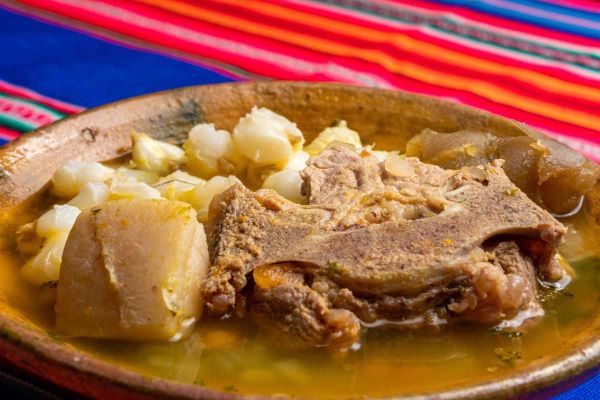
Fricase boliviano is a traditional Bolivian stew made from tender chunks of pork or beef cooked slowly with potatoes, onions, and distinctive spices. The dish is hearty, flavorful, and designed to warm and satisfy. It represents practical, nourishing food that carries cultural significance.
The construction is straightforward but requires time and skill. Meat gets cut into chunks and browned. Onions and other aromatics create a base. Potatoes and broth join the meat. The mixture simmers for hours, allowing flavors to develop and meat to become tender. The extended cooking transforms tough cuts into something delicious.
The most distinctive element is the use of cumin and other spices that create the characteristic Bolivian flavor profile. The spices distinguish fricase boliviano from similar stews from other cultures. The flavor should be savory, with warmth from spices but not excessive heat. The broth should be rich and flavorful, carrying the essence of slow cooking.
When you search for best fricase boliviano near me, you’re looking for this precise combination. The meat should be tender enough to cut with a spoon. The potatoes should hold shape but be fully cooked. The broth should be flavorful and substantial. The spices should create depth without overwhelming.
The History and Cultural Importance
Understanding fricase boliviano’s origins enriches appreciation for the dish.
Fricase boliviano developed from Spanish stew traditions merged with Bolivian ingredients and cooking methods. The dish emerged as a staple in Bolivian households, particularly in highland regions where potatoes and hardy meat were available. Over centuries, the recipe became standardized while maintaining family variations.
The dish holds deep cultural significance. It appears at family celebrations, religious holidays, and important occasions. Sharing fricase boliviano represents hospitality and family connection. For Bolivians living abroad, eating authentic fricase boliviano provides connection to homeland and cultural roots. The emotional weight of the dish extends beyond nutrition to identity and belonging.
Fricase boliviano also reflects Bolivian values around sustenance and community. It uses available ingredients efficiently. It feeds families and brings people together. Unlike some modern foods emphasizing novelty, fricase boliviano remains fundamentally unchanged. The same recipe from generations ago is what people seek today. This continuity reflects cultural commitment to tradition.
When you eat fricase boliviano, you’re tasting history and connecting to Bolivian culture. This emotional and historical dimension is part of what makes finding authentic versions so rewarding.
Characteristics of Authentic Fricase Boliviano
Knowing what to look for helps you identify quality when searching for best fricase boliviano near me.
Meat Tenderness: The meat should be so tender that it falls apart with minimal pressure from a spoon. This tenderness indicates proper slow cooking. Tough meat suggests insufficient cooking time or high heat.
Broth Quality: The liquid should be flavorful and slightly thick from the cooking process. The broth carries the essence of the meat, vegetables, and spices. It shouldn’t be watery or thin. Rich broth indicates quality ingredients and proper technique.
Potato Texture: Potatoes should be fully cooked but maintain their shape. They shouldn’t be mushy or falling apart. Good potatoes hold structure while being easily pierced.
Spice Balance: The dish should taste savory with distinctive cumin flavor. The spices should be present but balanced. You should taste the flavors working together, not one dominating. Heat level should be mild unless the restaurant specializes in spicier versions.
Onion Presence: Onions should be visible and contribute to flavor without dominating. They should be soft but recognizable. Onions provide sweetness balancing the savory spices.
Color and Appearance: The stew should have a rich, appetizing color from the meat and spices. It should look hearty and substantial. The consistency should show care in preparation.
Freshness and Temperature: Fricase boliviano should be hot when served. The heat activates flavors and creates proper eating experience. Fresh versions made that day taste noticeably better than reheated versions.
How to Find the Best Fricase Boliviano Near Me
Finding quality fricase boliviano requires knowing where to look and what to evaluate.
Seek Bolivian Restaurants: This is your primary resource. Bolivian restaurants typically specialize in traditional dishes including fricase boliviano. Look for restaurants with Bolivian ownership or that emphasize traditional recipes. These establishments understand proper preparation.
Check Bolivian Food Markets: Some Bolivian markets have food service sections. These often prepare fricase boliviano fresh. Market vendors understand traditional preparation and source quality ingredients.
Research Online Reviews: When checking Google Maps or Yelp for best fricase boliviano near me, look for reviews mentioning specific qualities. Reviews praising tender meat, flavorful broth, or authenticity are reliable. Vague praise provides less useful information.
Look for Family-Owned Establishments: Restaurants with Bolivian ownership often maintain highest quality standards. They understand cultural significance and take pride in proper preparation.
Check Social Media Presence: Bolivian restaurants showcasing their fricase boliviano on Instagram often care about quality and presentation. Look at multiple photos. Consistency in appearance suggests reliable quality.
Ask About Preparation Methods: Call restaurants and ask about their fricase boliviano. How long do they cook it? What meat do they use? What spices go into it? Detailed answers indicate pride in their work.
Visit During Lunch Hours: Many Bolivian restaurants prepare fricase boliviano specifically for lunch. Visiting during lunch service increases chances of getting fresh, hot fricase boliviano.
Check Neighborhood Demographics: Areas with significant Bolivian populations typically have restaurants serving fricase boliviano. These neighborhoods often have multiple quality options.
Types of Restaurants Serving Fricase Boliviano
Understanding different establishment types helps you find quality versions.
Traditional Bolivian Restaurants: These establishments specialize in Bolivian cuisine. They serve fricase boliviano as a signature dish. Quality reflects pride in cultural cooking. These are your best options for authentic fricase boliviano.
Bolivian Market Food Services: Markets catering to Bolivian communities often have prepared foods. Vendors understand traditional preparation. Quality aligns with market reputation.
Latin American Restaurants with Bolivian Focus: Some broader Latin American restaurants include fricase boliviano among offerings. Quality varies depending on chef expertise and ingredient sourcing.
Catering and Special Occasions Services: Some Bolivian catering companies specialize in traditional dishes. They often produce excellent fricase boliviano for events. Availability may require advance ordering.
Home-Based Producers: In some communities, Bolivian home cooks sell fricase boliviano through social media or local networks. These often represent exceptional quality but require seeking them out.
Regional Variations and Preparation Differences
Understanding different approaches helps you evaluate what you find.
La Paz Traditional Version: La Paz fricase tends to emphasize pork with generous potato portions. The spicing follows traditional highland preferences. This represents the most recognized version.
Cochabamba Interpretation: Some regions adjust proportions slightly. Cochabamba versions sometimes include additional vegetables or vary spice levels. The core remains recognizable.
Tarija Variations: Southern versions might include slight ingredient variations reflecting local preferences. The fundamental dish remains consistent.
Family Recipes: Individual families have recipe variations passed through generations. These differences create diversity within the traditional dish.
When searching for best fricase boliviano near me, you’re likely seeking one of these traditional versions. Each maintains the essential character while having subtle distinctions.
Evaluating Quality on Your First Visit
Your initial experience should tell you whether an establishment makes quality fricase boliviano.
Temperature: The stew should be hot when served. This indicates fresh preparation or proper reheating. Cold or lukewarm fricase suggests quality issues.
Aroma: You should smell meat, potatoes, onions, and cumin. Pleasant aromas indicate quality ingredients and proper cooking. Unpleasant smells raise concerns.
Meat Texture: Cut a piece with your spoon. It should yield easily. Tough meat indicates problems. Quality meat should be tender.
Broth Flavor: Taste the broth carefully. It should be savory and carry flavors from the meat and spices. Thin, bland broth indicates insufficient cooking or poor ingredients.
Potato Quality: Potatoes should be fully cooked but hold shape. They should taste good, not mealy or waterlogged.
Spice Recognition: You should taste cumin and other spices. The flavors should be recognizable but balanced.
Overall Satisfaction: Does the dish feel substantial and satisfying? Does it meet your expectations? Would you order again? Your gut feeling matters.
Enjoying Fricase Boliviano Properly
Eating fricase boliviano properly enhances the experience.
With Rice or Bread: Fricase boliviano traditionally pairs with white rice or bread. These starches absorb the rich broth and complete the meal. This pairing is how Bolivians traditionally eat it.
Pace: Fricase boliviano is meant to be eaten slowly. Take time to appreciate the flavors. Enjoy the warmth of the stew.
Temperature: Fricase boliviano should be eaten hot. The warmth brings out flavors and creates proper eating experience. Cold fricase loses much of its appeal.
Beverage Options: Fresh juice, soft drinks, or beer pair well with fricase boliviano. Cold beverages balance the richness of the stew.
Social Context: Fricase boliviano is often enjoyed shared with family or friends. The social element of eating together is part of Bolivian tradition.
Making Fricase Boliviano at Home
If quality versions aren’t available locally, making it yourself is possible.
Ingredient Requirements: You need quality meat (pork or beef), potatoes, onions, cumin, and broth or water. Salt and pepper round out the basic ingredients. Some recipes include additional spices or herbs.
Time Investment: Proper fricase boliviano requires three to four hours minimum. The extended cooking is essential. You can’t rush this process. The slow cooking develops flavor and tenderizes meat.
Equipment Needed: A heavy-bottomed pot works well. The size should accommodate the meat and liquid. A lid helps retain moisture and heat.
Technique: Brown the meat first to develop flavor. Create an aromatic base with onions. Add potatoes and broth. Simmer covered for hours. Adjust seasoning near the end.
Practice: Your first attempt may not be perfect. Cooking times and ingredient proportions improve with experience. Don’t be discouraged by initial results.
Comparing to Similar Dishes
Understanding how fricase boliviano compares to other stews helps contextualize it.
Peruvian Estofado: Similar stew but with different spice profile and ingredient emphasis. Peruvian versions often include different vegetables.
Argentine Guiso: Argentine stew shares some characteristics but differs in preparation and spicing. Argentine versions often include corn.
Mexican Chilaquiles: Different dish entirely but sometimes confused. These are tortilla-based, not stew.
General Beef Stew: Similar construction but lacks distinctive Bolivian spice profile and traditional ingredients.
Fricase boliviano occupies its own space. The combination of pork or beef, potatoes, cumin, and distinctive spicing creates something recognizably Bolivian.
Regional Availability and Accessibility
Finding fricase boliviano depends partly on your location.
Areas with Bolivian Communities: Cities with significant Bolivian populations typically have restaurants serving fricase boliviano. You have multiple options and reliable access.
Underserved Areas: In regions without Bolivian populations, finding authentic versions becomes challenging. You may need to search farther or consider making it at home.
Seasonal Variations: Some restaurants serve fricase boliviano year-round. Others offer it seasonally or upon request. Calling ahead ensures availability.
Special Orders: Some restaurants accept pre-orders for fricase boliviano. This ensures availability for specific days or quantities.
Key Takeaways
- Best fricase boliviano near me requires knowing what authentic versions should be: tender meat, rich broth, cooked potatoes, and distinctive Bolivian spicing.
- Fricase boliviano is a traditional Bolivian stew representing core elements of Bolivian culinary identity and family cooking.
- The dish carries cultural significance beyond nutrition, representing hospitality, family connection, and cultural continuity.
- Characteristics of authentic versions include meat tender enough to cut with a spoon, flavorful broth, properly cooked potatoes, and balanced cumin spicing.
- Bolivian restaurants, particularly family-owned establishments, are your best source for quality fricase boliviano.
- Online reviews mentioning specific qualities like tender meat and flavorful broth are more reliable than general praise.
- Extended cooking time is essential. Proper fricase boliviano requires three to four hours minimum of slow cooking.
- Meat should be so tender it falls apart with minimal spoon pressure. Tough meat indicates insufficient cooking.
- Broth should be rich and flavorful, carrying the essence of meat, vegetables, and spices. Thin broth indicates problems.
- Potatoes should be fully cooked but hold their shape. They shouldn’t be mushy or falling apart.
- Fricase boliviano should be served hot. Temperature affects flavor and eating experience significantly.
- If quality versions aren’t available locally, home preparation is possible but requires time commitment and ingredient sourcing.
- Fricase boliviano traditionally pairs with white rice or bread, which absorbs the rich broth.
- Areas with significant Bolivian populations typically have authentic restaurants serving fricase boliviano.
- The distinctive cumin spicing marks authentic fricase boliviano and distinguishes it from similar stews from other cultures.
- Seeking out authentic best fricase boliviano near me rewards your effort with connection to Bolivian culture and culinary heritage.