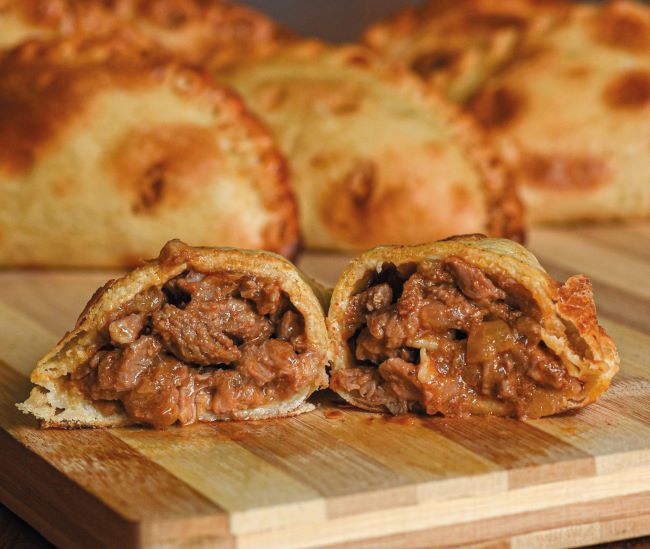
Finding the best empanada de carne cortada a cuchillo near me separates casual empanada eaters from people who actually know what they’re looking for. If you’ve had a real empanada de carne cortada a cuchillo near me, you understand why this specific style has loyal followers. The difference between mass-produced empanadas and the best empanada de carne cortada a cuchillo near me comes down to one thing: how the beef gets prepared.
Most people don’t realize that empanada de carne cortada a cuchillo translates to “empanada with meat cut by knife.” This isn’t just a name. It’s a quality standard. When hunting for the best empanada de carne cortada a cuchillo near me, you’re looking for restaurants that hand-cut their beef instead of using pre-ground meat or processed fillings.
What Makes Empanada de Carne Cortada a Cuchillo Different
Empanada de carne cortada a cuchillo originates from Argentina and parts of South America. The style involves cutting beef by hand into small pieces rather than grinding it. This technique changes everything about texture and flavor.
Hand-cut beef has a completely different mouthfeel than ground beef. The pieces hold their shape and provide texture variation in each bite. Ground meat becomes dense and uniform. Hand-cut meat stays tender with slight resistance. You can actually taste the beef quality in every piece.
The cutting method also affects how the meat absorbs flavors. When you cut meat by hand, you create fresh surfaces that soak up seasonings and cooking liquids better than ground meat. This makes hand-cut beef empanadas taste richer and more flavorful.
Restaurants making real empanada de carne cortada a cuchillo use beef cuts suited for stewing. Chuck or brisket gets cubed rather than ground. The meat cooks slowly, allowing it to become tender while maintaining its structure. This requires planning and time. Quick production methods skip this step.
How to Spot Quality When You Walk In
The exterior dough tells you something about quality. Good empanada dough should have a golden-brown color with slight char marks. The pastry should feel crispy on the outside without being hard or tough. Pale, doughy exterior means insufficient cooking or low-quality dough preparation.
Look at the size and shape consistency. Commercial empanadas often have uniform appearance because machines make them. Hand-made empanadas have slight variations. Slight irregularity signals hand work, which often correlates with better filling quality.
Ask to see one cut open. Real empanada de carne cortada a cuchillo shows visible beef pieces inside. You should see distinct chunks of meat, not a paste or paste-like consistency. The filling should have visible onions and spices mixed through. If everything looks homogeneous and paste-like, it’s ground meat, not hand-cut.
Feel the weight. Quality empanadas packed with generous hand-cut beef feel substantial. Light, airy empanadas have skimpy filling. Heft matters as a quality signal.
Smell matters too. Real beef stewing empanadas have a complex aroma from long cooking. The scent includes beef, cumin, and cooked onions. Empanadas with cheap processed filling smell generic or slightly off.
Where to Find the Best Empanada de Carne Cortada a Cuchillo Near Me
Argentine restaurants are your primary source for quality empanada de carne cortada a cuchillo near me. These establishments make this style their specialty. Look for places advertising “empanadas caseras” (homemade) or specifically mentioning “carne cortada a cuchillo.”
Ask whether they source beef from local butchers. Restaurants that care about quality build relationships with butchers who provide good cuts. This matters because beef quality directly impacts final taste.
Colombian restaurants also make excellent hand-cut beef empanadas. While the style may differ slightly from Argentine versions, Colombian empanada de carne cortada a cuchillo near me maintains the same commitment to hand-cut beef. Ask staff about their meat preparation method.
Check if the restaurant has a visible kitchen or bakery. Transparency about preparation builds confidence. If empanadas come from somewhere hidden in the back, quality control becomes questionable.
Venezuelan restaurants sometimes offer quality hand-cut empanadas, though they may call them something different. Ask about beef empanadas and how the meat gets prepared.
Look for places with multiple empanada varieties. Restaurants making just one type of empanada often cut corners. Places offering five or six different empanada styles usually invest in proper technique across their line.
Questions to Ask Before Ordering
Call ahead and specifically ask: Do you hand-cut your beef or use ground meat? This question immediately tells you if they make authentic empanada de carne cortada a cuchillo near me.
Ask what beef cut they use. Chuck, brisket, or short ribs are good answers. Ground beef is not.
Question how long the beef cooks. Real empanada de carne cortada a cuchillo near me requires slow cooking, often two to three hours. Quick answers suggest shortcuts.
Ask if they make the dough in-house or buy pre-made shells. In-house dough usually means they care about quality throughout.
Find out if they prepare empanadas fresh or if they sit pre-made. Fresh preparation matters significantly for texture and taste.
Ask about the spice blend. Good empanada fillings include cumin, paprika, and sometimes dried oregano. Generic answers suggest they’re not paying attention to seasoning detail.
What Quality Actually Tastes Like
When you bite into the best empanada de carne cortada a cuchillo near me, the crust should crack slightly. The filling should be warm but not burning hot. The beef pieces should be tender enough to break with slight pressure from your teeth.
Flavor progression matters. The first bite brings the pastry flavor. Then the beef and seasonings come through. The filling should taste savory with slight sweetness from caramelized onions. Cumin and paprika should be detectable but not overpowering.
The filling texture should feel like eating stew inside a pastry pocket. You get beef pieces, cooked onions, and sauce. Nothing feels dense or paste-like. The filling has slight moisture but doesn’t leak out everywhere.
Temperature distribution should be even. The beef throughout should be hot, not cold in the center. This indicates proper cooking method and adequate resting time before serving.
Common Quality Failures
Many places use ground beef instead of hand-cut. Ground meat produces a paste-like filling that lacks the texture that makes empanada de carne cortada a cuchillo special. This is the biggest quality compromise.
Some restaurants cook the beef insufficiently. Tough, chewy beef indicates either the wrong cut or insufficient cooking time. Hand-cut empanadas require slow cooking, not quick preparation.
Poor dough quality ruins everything. Some places buy frozen or pre-made empanada shells. These become tough and bland. Fresh, properly made dough transforms the experience.
Underseasoning happens at places making large batches. Spices distribute unevenly or get skipped entirely. Flavor becomes flat and forgettable.
Over-filling causes structural failure. Empanadas burst open during cooking or become impossible to hold without filling spilling out. This happens when restaurants don’t understand dough-to-filling ratios.
Using cheap beef cuts creates tough, unpleasant results. The meat doesn’t become tender during normal cooking. Proper empanada de carne cortada a cuchillo near me uses cuts designed for stewing.
Making Empanada de Carne Cortada a Cuchillo at Home
Making this style at home is achievable but requires time and planning. Start by selecting the right beef cut. Chuck roast works well. Cut it into half-inch cubes.
Brown the beef in a hot pot, then add onions, garlic, and spices. Let it simmer for two to three hours until fork-tender. The long cooking makes the hand-cut style worthwhile.
Make pastry dough from scratch or use quality frozen dough as a shortcut. Homemade dough tastes significantly better but requires skill.
Assemble empanadas by placing filling on one side of the dough circle, folding, and sealing the edges. Crimp the edges with a fork for appearance.
Bake at 375 degrees for 20 to 25 minutes until golden brown. The high heat creates the crispy exterior that contrasts with the soft filling.
Home-made empanadas won’t match restaurant quality immediately, but practice improves results. The advantage is controlling every ingredient and knowing exactly how the meat gets prepared.
Key Takeaways
- Empanada de carne cortada a cuchillo specifically means beef hand-cut by knife, not ground. This distinction is the core quality signal separating authentic from mass-produced versions.
- Hand-cut beef has completely different texture than ground meat. The pieces maintain structure and provide varied texture in each bite, making the empanada more interesting.
- Ask directly: Do you hand-cut your beef or use ground meat? This single question determines whether you’re getting authentic empanada de carne cortada a cuchillo near me.
- Argentine restaurants are the primary source for quality empanada de carne cortada a cuchillo near me. Look for places advertising “empanadas caseras” (homemade) or “carne cortada a cuchillo” specifically.
- Real hand-cut beef empanadas require two to three hours of slow cooking. Quick preparation indicates shortcuts in either cooking method or beef cut selection.
- Proper beef cuts for empanada de carne cortada a cuchillo near me are chuck, brisket, or short ribs. These cuts become tender during slow cooking, creating the right texture.
- The filling should show visible beef pieces and cooked onions when cut open. Paste-like or homogeneous filling indicates ground meat, not hand-cut.
- Fresh dough matters significantly. Pre-made or frozen shells become tough and bland. In-house dough preparation correlates with overall quality.
- Quality empanada de carne cortada a cuchillo near me feels substantial and properly weighted. Light empanadas indicate skimpy filling or cheap dough.
- Visible kitchen or bakery operations suggest transparency about preparation methods. Hidden back-kitchen operations reduce confidence in quality control and authentic methods.