Finding the best Peshwari naan near me is harder than it should be. If you’ve had quality Peshwari naan near me, you know why people search for it specifically. That soft, pillowy bread loaded with coconut and almonds hits different from regular naan. The hunt for the best Peshwari naan near me involves knowing what to look for and where restaurants actually put in the work.
Most people don’t realize how much variation exists in Peshwari naan quality. Some places nail it. Others phone it in with cheap coconut dust and rancid filling. When searching for the best Peshwari naan near me, the difference between great and mediocre comes down to a few specific things you can check before you order.
What Makes Peshwari Naan Different
Peshwari naan comes from the Peshawar region in Pakistan. The name matters because it signals a specific style of preparation. Real Peshwari naan has a coconut and almond filling mixed with spices like cardamom. The bread itself should be tender, slightly charred on the outside, and soft inside.
The key separation point is the filling quality. Cheap versions use dried coconut powder that tastes chalky. Good versions use fresh or semi-fresh grated coconut combined with actual almonds, not almond dust. You can taste this difference immediately. The filling should feel moist and slightly sweet, never dry or grainy.
The cooking method matters too. Peshwari naan needs a hot tandoor to cook properly. This gives it the characteristic blistered exterior while keeping the inside soft. A regular oven produces a different result entirely. The bread comes out denser and the filling doesn’t integrate with the dough the same way.
How to Spot Quality at Local Restaurants
Walk into an Indian restaurant and look at how they handle naan. A good sign is if they make it fresh to order. If the Peshwari naan sits under a heat lamp for hours, the quality drops fast. The filling gets hard and the bread loses moisture.
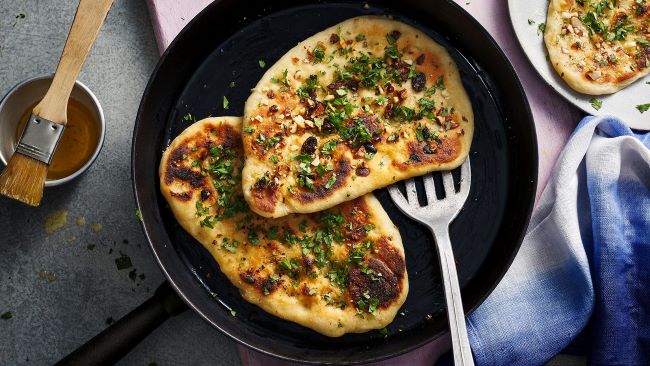
Check the bread color. Peshwari naan should have dark brown spots and some charring, but not black patches. The spots show it spent time in a real tandoor. Completely pale bread means it got minimal heat exposure.
Smell it if you can. Quality Peshwari naan has a nutty, slightly sweet aroma from the almonds and coconut. If you smell nothing, the filling is likely low quality. Bad cardamom or stale spices produce an off smell you’ll notice.
Feel the weight. Good Peshwari naan has substance. It feels slightly dense because the filling adds weight. Super light and hollow naan means they didn’t fill it properly or used very little filling.
Look at the bottom surface. Restaurants that care show even charring on the bottom. Burned spots in some areas and pale spots in others means uneven heat or rushed cooking. This correlates with less attention to detail overall.
Where to Find the Best Peshwari Naan Near Me
The best Peshwari naan near me comes from restaurants that focus on North Indian cuisine. These places take naan seriously because it’s central to their menu. Look for places with tandoors visible to customers. Transparency in cooking builds confidence.
Pakistani restaurants are another solid option when hunting for the best Peshwari naan near me. Peshwari naan is authentically Pakistani, so these restaurants often source quality ingredients and follow proper technique. Ask the staff about their filling ingredients. Real restaurants answer these questions without hesitation.
Some Indian bakeries make excellent Peshwari naan specifically. These aren’t always sit-down restaurants. Bakeries that focus only on bread often achieve better quality because it’s their specialty. You pick up fresh naan and take it home.
Check reviews on Google Maps and Yelp specifically for Peshwari naan mentions. People who care about food leave detailed reviews. If multiple reviews say “best Peshwari naan in the area,” that’s real feedback worth acting on. Ignore vague praise. Look for specifics like “filling is generous” or “still warm and soft.”
Ask in local Indian community groups online. Facebook groups for your city often have food lovers who know where quality Peshwari naan near me exists. These people can point you to hidden spots tourists never find.
Questions to Ask Restaurants
Call ahead and ask how they make their Peshwari naan. Specifically ask: Do they make the filling in-house? What type of coconut do they use? Do they use real almonds? How long does the naan sit before serving?
Good restaurants have answers. They know their ingredients. Bad restaurants either don’t know or give vague responses like “we use quality stuff.” That’s a red flag.
Ask if they can make it fresh to order. Most will, but some places have fixed batches. Fresh to order means you get the best version.
Question whether they use ghee on top. Quality Peshwari naan gets brushed with ghee after cooking. This adds flavor and keeps the bread soft. If they don’t mention ghee, it might not be part of their process.
What to Expect When You Order
Good Peshwari naan arrives warm. It should still be flexible enough to fold slightly. The filling comes through in every bite. You taste individual almonds, not a homogeneous paste. The spices enhance without overwhelming.
The texture contrast matters. The outside has a slight crunch from charring, but not tough. The inside yields easily and doesn’t stick to your teeth. The filling shouldn’t be so moist it drips out, but moist enough that it isn’t dry.
Portion size varies. Some places give you a massive naan. Others serve a more modest size. Bigger isn’t always better. A smaller, well-made Peshwari naan beats a huge mediocre one every time.
Price is a signal. Cheap Peshwari naan, usually under three dollars, cuts corners. Quality ingredients cost money. If a place prices it significantly lower than competitors, they’re using inferior filling. Expect to pay between four and seven dollars for quality.
Common Mistakes Restaurants Make
Many restaurants skimp on filling. The coconut-almond ratio gets out of balance. Too much coconut, too few almonds. Or worse, they use coconut with almost no almonds to save cost.
Some use old or stale filling. Cardamom loses flavor quickly. If the filling smells musty or off, it’s been sitting too long.
Overcooking is common. A rushed kitchen burns the outside while the inside stays doughy. The filling doesn’t heat through properly.
Under-seasoning happens at places that make filling in large batches. Spices distribute unevenly. Some bites taste flat.
Poor quality ghee or butter ruins otherwise decent naan. Rancid ghee produces an off flavor you can’t miss.
Making Your Own at Home
If local options disappoint, making Peshwari naan at home is possible, though it takes practice. The main challenge is replicating tandoor heat. A cast iron skillet or pizza stone in an oven gets you close but not identical.
Buy quality ingredients. Real almonds, fresh grated coconut, and good cardamom matter. The filling should be your main focus because that’s where quality stands out most.
Watch videos from Pakistani cooking channels. They show proper technique for filling distribution and folding. The dough technique differs from regular naan.
Home-made naan won’t match a professional tandoor result, but it can still be delicious. The advantage is controlling every ingredient.
Key Takeaways
- Peshwari naan quality depends primarily on filling ingredients. Real almonds and fresh or semi-fresh grated coconut separate good from mediocre.
- Look for dark brown spots and even charring on the exterior. Pale naan indicates insufficient tandoor heat and reduced quality.
- North Indian and Pakistani restaurants typically prioritize naan quality. Ask if they make filling in-house and use real almonds.
- Good Peshwari naan should smell nutty and slightly sweet from quality almonds and cardamom. Bad smells signal stale or low-quality filling.
- Call ahead and ask about filling ingredients and cooking method. Restaurants confident in their product answer these questions directly.
- Fresh-made naan tastes significantly better than naan sitting under heat lamps. Order or pick up from places that cook to order.
- Price under three dollars usually means corner-cutting. Quality Peshwari naan costs between four and seven dollars depending on portion size and location.
- Ghee brushing matters. Quality naan gets ghee after cooking for flavor and texture. Ask if restaurants include this step.
- Google Maps and Yelp reviews mentioning specific details like “generous filling” or “still warm” are more reliable than vague praise.
- Local Indian community groups on Facebook often know hidden restaurants with quality naan. Ask these groups for recommendations in your area.