Something about cold mornings makes you crave warmth and comfort. Api con pastel. That Peruvian combination of purple corn soup paired with a fried pastry. It’s humble food that carries generations of tradition. Finding the best api con pastel near me means understanding what makes this pairing special and knowing where to search for authentic versions.
Api con pastel isn’t fancy cuisine. It’s breakfast food at its most genuine. It’s meant to warm you from the inside out. When made properly, it showcases the quality of simple ingredients and traditional technique. When made poorly, it becomes a disappointing shortcut missing the cultural authenticity that defines this dish.
This guide helps you locate best api con pastel near me and understand what separates exceptional versions from mediocre attempts.
What Is Api Con Pastel
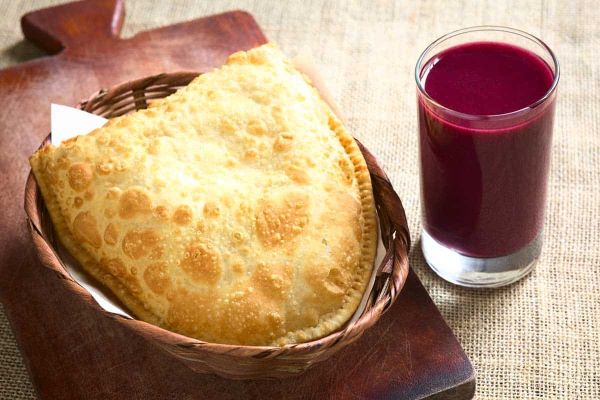
Api con pastel is a traditional Peruvian combination consisting of two distinct components that work together perfectly. Api is a thick, purple soup made from purple corn, combined with ingredients like cinnamon, cloves, and sometimes vanilla. Pastel is a fried pastry, typically made with a simple dough and sometimes filled with cheese or savory ingredients. Together, they create a complete breakfast or snack experience.
The construction of each component requires care and tradition. Api starts with dried purple corn that gets cooked slowly with water and spices until it transforms into a thick, distinctive purple soup. The cooking process is patient. The corn must soften. The flavors must develop. Spices must infuse throughout. The result should be smooth and warm.
The pastel is equally important. The dough gets kneaded properly. It rests to develop texture. Then it fries until golden and crispy. The fried pastry should be light and airy inside with a crispy exterior. Some versions include cheese filling. Others remain plain. The quality of the frying matters significantly.
When you search for best api con pastel near me, you’re looking for this precise combination. The api should taste of purple corn with cinnamon and spice warmth. The pastry should be crispy outside and tender inside. Together, they create a balanced meal that satisfies both hunger and comfort cravings.
The History and Cultural Significance
Understanding api con pastel’s origins enriches appreciation for the dish.
Api con pastel developed in Peru as a practical breakfast for working people and families. The dish emerged from indigenous traditions using purple corn and evolved with Spanish colonial influence. Over centuries, it became standardized while maintaining regional and family variations. The combination became so established that api and pastel are rarely separated in Peruvian breakfast culture.
Purple corn specifically carries indigenous heritage. The Inca cultivated purple corn in Andean regions. The color comes from anthocyanins, natural pigments with cultural and spiritual significance. When Peru regained independence from Spain, purple corn foods like api became symbols of cultural pride and heritage. Eating api con pastel connects to this history and pride.
Api con pastel holds deep cultural significance in Peruvian identity. It appears in homes across the country. Street vendors sell it to workers and school children. It represents Peruvian comfort food and breakfast traditions. For Peruvians living abroad, eating authentic api con pastel provides connection to homeland and childhood memories. The emotional weight extends beyond nutrition to belonging and cultural identity.
The dish also reflects Peruvian values around accessibility and sustenance. Api con pastel is affordable. The ingredients are simple. The preparation is straightforward. Despite this simplicity, the flavor is distinctive and satisfying. This balance reflects Peruvian approach to food and life.
When you eat api con pastel, you’re tasting cultural tradition and Peruvian heritage. This connection to place and culture is part of what makes finding authentic versions rewarding.
Characteristics of Authentic Api Con Pastel
Knowing what to look for helps you identify quality when searching for best api con pastel near me.
Api Texture and Color: The api should be thick and pourable but not watery. The color should be deep purple, indicating real purple corn and proper cooking. Poor versions are thin and pale, suggesting shortcuts or low-quality ingredients.
Api Flavor Profile: The soup should taste of purple corn first, with cinnamon and spice supporting. You should recognize cinnamon distinctly but not overwhelmingly. The sweetness should come from the corn, not excessive added sugar. Good api is warm and spiced without being cloying.
Pastel Exterior: The pastry should be golden brown and crispy. The crust should crackle slightly when you bite. It shouldn’t be dark or burnt. Quality frying creates even color and proper texture.
Pastel Interior: Inside should be light and airy. The texture should be tender but not dense. Properly cooked pastry should feel substantial but not heavy. Greasy pastries indicate poor oil quality or over-frying.
Pastel Flavor: If filled with cheese, the cheese should taste like real cheese, not artificial. Plain pastels should taste of flour and butter without greasiness dominating. Each bite should be enjoyable.
Temperature: Both api and pastel should be served hot. The heat activates flavors. The warmth is integral to the experience. Lukewarm or cold versions lose their appeal significantly.
Freshness: Api con pastel tastes best when freshly made. The api is warmest. The pastel is crispest. Fresh versions made that morning or to order taste noticeably better than prepared ahead versions.
How to Find the Best Api Con Pastel Near Me
Finding quality api con pastel requires knowing where to look and what to evaluate.
Seek Peruvian Restaurants: This is your best resource. Peruvian restaurants typically specialize in traditional dishes including api con pastel. Look for restaurants with Peruvian ownership or that emphasize traditional recipes. These establishments understand proper preparation.
Check Peruvian Bakeries: Some Peruvian bakeries serve api alongside pastries and baked goods. Bakeries often prepare api fresh daily and understand traditional recipes.
Research Online Reviews: When checking Google Maps or Yelp for best api con pastel near me, look for reviews mentioning specific qualities. Reviews praising authentic flavor, proper thickness, or quality pastries are reliable. Vague praise provides less useful information.
Look for Family-Owned Establishments: Restaurants with Peruvian ownership often maintain highest quality standards. They understand cultural significance and take pride in proper preparation.
Check Social Media Presence: Peruvian restaurants showcasing their api con pastel on Instagram often care about quality and presentation. Look at multiple photos. Consistency in appearance suggests reliable quality.
Ask About Preparation Methods: Call restaurants and ask about their api con pastel. How long do they cook the api? Do they use real purple corn? Do they make pastels fresh? Detailed answers indicate pride in their work.
Visit During Breakfast Hours: Many Peruvian restaurants serve api con pastel specifically for breakfast. Visiting early morning increases chances of getting fresh, hot versions made that day.
Check Neighborhood Demographics: Areas with significant Peruvian populations typically have restaurants serving api con pastel. These neighborhoods often have multiple quality options.
Types of Establishments Serving Api Con Pastel
Understanding different establishment types helps you find quality versions.
Traditional Peruvian Restaurants: These establishments specialize in Peruvian cuisine. They serve api con pastel as a signature breakfast offering. Quality reflects pride in cultural cooking. These are your best options for authentic api con pastel.
Peruvian Bakeries and Pastry Shops: These establishments focus on baked goods and often serve api alongside pastries. Bakeries understand traditional preparation and make pastels fresh daily.
Peruvian Markets with Food Service: Markets catering to Peruvian communities often have breakfast service areas. Vendors understand traditional preparation. Quality aligns with market reputation and community trust.
Latin American Restaurants with Peruvian Focus: Some broader Latin American restaurants include api con pastel among offerings. Quality varies depending on chef expertise and ingredient sourcing.
Catering and Special Occasions Services: Some Peruvian catering companies include traditional breakfasts. They often produce excellent api con pastel for events. Availability may require advance ordering.
Regional Variations and Preparation Differences
Understanding different approaches helps you evaluate what you find.
Highland Version: Mountain regions of Peru traditionally make api thicker and spicier. Highland versions often emphasize cinnamon and cloves more prominently.
Coastal Interpretation: Coastal regions might adjust the recipe slightly. Coastal versions sometimes incorporate local ingredients or adjust sweetness levels.
Pastel Variations: Some regions favor cheese-filled pastels. Others prefer plain pastels. Some include corn in the pastel dough. Individual bakeries develop signature versions.
Family Recipes: Individual families have recipe variations passed through generations. These differences create diversity within the traditional combination.
When searching for best api con pastel near me, you’re likely seeking the authentic traditional version. This maintains the essential character representing genuine Peruvian preparation.
Evaluating Quality on Your First Visit
Your initial experience should tell you whether an establishment makes quality api con pastel.
Color and Appearance: The api should be deep purple. The pastel should be golden brown. Both should look appetizing and well-prepared. Pale api or dark pastels suggest problems.
Temperature: Both components should be hot when served. Steam should rise from the api. The pastel should feel warm in your hands. This indicates fresh preparation.
Aroma: You should smell purple corn, cinnamon, and butter or oil. Pleasant aromas indicate quality ingredients and proper cooking. Burnt or off smells raise concerns.
Api Consistency: Take a spoonful. The soup should be thick enough to coat the spoon but pourable. It shouldn’t be watery or excessively thick. The texture should feel substantial.
Api Flavor: Taste carefully. You should taste purple corn distinctly. Cinnamon should be present but balanced. The sweetness should feel natural. Artificial-tasting sweetness suggests poor ingredients.
Pastel Texture: Bite the pastry. It should be crispy outside and tender inside. It shouldn’t be greasy or soggy. A quality pastel should feel light despite being fried.
Overall Satisfaction: Does the combination work well together? Does it feel like a complete breakfast? Would you order again? Your gut feeling matters.
Enjoying Api Con Pastel Properly
Eating api con pastel properly enhances the experience.
Timing: Api con pastel is meant to be eaten fresh. The api is warmest and most flavorful immediately after preparation. The pastel is crispest when fresh. Waiting diminishes both components.
Temperature: Consume while hot. The heat is integral to the experience. The warmth brings out flavors in both the api and the pastel.
Pace: Eat slowly and enjoy each component. The combination works well with the pastry providing texture contrast to the smooth soup. Alternate between soup and pastry.
Dunking: Some people dunk the pastel into the api. This creates a combined texture that works well. Others eat them separately. Either approach is correct.
Beverage Options: Api con pastel is substantial enough to stand alone as breakfast. Some pair it with coffee or tea. Others drink fresh juice. The choice depends on preference.
Social Context: Api con pastel is often enjoyed with family or friends during morning hours. The social element of sharing breakfast is part of Peruvian tradition.
Making Api Con Pastel at Home
If quality versions aren’t available locally, making them yourself is possible.
Api Ingredients: You need dried purple corn, water, cinnamon stick, whole cloves, and sometimes vanilla. Sugar is optional depending on corn sweetness. These ingredients are straightforward to source.
Pastel Ingredients: You need flour, salt, water, and fat (butter or oil) for the dough. Optional additions include cheese for filled versions. These are basic pantry items.
Time Investment: Proper api requires two to three hours of cooking. The extended cooking develops flavor and proper consistency. Pastel preparation takes one to two hours including resting time.
Equipment Needed: A large pot for api cooking. A skillet for frying pastels. Basic kitchen tools and utensils.
Technique: For api, soak purple corn, then cook with water and spices until tender and thick. For pastels, make dough, rest it, shape portions, and fry until golden. Both require attention to detail.
Practice: Your first attempt may not be perfect. The cooking times and flavor balance improve with experience. Don’t be discouraged by initial results. The techniques become more intuitive with practice.
Comparing to Similar Dishes
Understanding how api con pastel compares to other dishes helps contextualize it.
Corn Chowder: Similar soup base but different flavor profile and cultural context. Chowders lack the distinctive purple corn and spice.
Other Corn Soups: Various cultures have corn soups, but Peruvian api is distinctive in its use of purple corn and specific spicing.
Breakfast Pastries: Various pastries pair with breakfast soups, but the api and pastel combination is specifically Peruvian.
Other Peruvian Breakfasts: Peru has other breakfast dishes like churros or tamales. Api con pastel holds its own distinctive place in breakfast traditions.
Api con pastel occupies its own space. The combination of purple corn soup, Peruvian spices, and fried pastry creates something distinctly Peruvian and recognized worldwide by those familiar with Peruvian cuisine.
Regional Availability and Accessibility
Finding api con pastel depends partly on your location.
Areas with Peruvian Communities: Cities with significant Peruvian populations typically have restaurants and bakeries serving api con pastel. You have multiple options and reliable access.
Underserved Areas: In regions without Peruvian populations, finding authentic versions becomes challenging. You may need to search farther or consider making it at home.
Seasonal Variations: Some restaurants serve api con pastel year-round as breakfast. Others offer it seasonally or during specific hours. Calling ahead ensures availability.
Special Orders: Some bakeries accept pre-orders for api and pastels. This ensures availability for specific days or quantities.
Key Takeaways
- Best api con pastel near me requires knowing what authentic versions should be: thick purple corn soup paired with crispy fried pastry.
- Api con pastel is a traditional Peruvian breakfast combination representing cultural heritage and indigenous ingredients.
- The dish carries cultural significance beyond nutrition, representing Peruvian identity and childhood memories.
- Characteristics of authentic versions include deep purple api with proper cinnamon spicing, golden-brown crispy pastels, and proper freshness.
- Peruvian restaurants and bakeries with traditional focus are your best source for quality api con pastel.
- Online reviews mentioning specific qualities like authentic flavor and proper texture are more reliable than general praise.
- Extended cooking time is essential for api. Proper preparation requires patience and attention to developing flavors.
- Api should be thick enough to coat a spoon but pourable. Watery or excessively thick api indicates problems.
- Pastels should be crispy outside and tender inside. Greasy or soggy pastries indicate poor technique.
- Both api and pastel should be served hot. Temperature is integral to the eating experience.
- If quality versions aren’t available locally, home preparation is possible but requires time and ingredient sourcing.
- Purple corn is central to authentic api. Real purple corn creates the distinctive color and flavor.
- Areas with significant Peruvian populations typically have authentic restaurants and bakeries serving api con pastel.
- The combination of soup and pastry marks authentic api con pastel and distinguishes it from similar dishes from other cultures.
- Api con pastel originated as working people’s breakfast. This practical origin remains part of the dish’s identity.
- Seeking out authentic best api con pastel near me rewards your effort with connection to Peruvian culture and breakfast traditions.