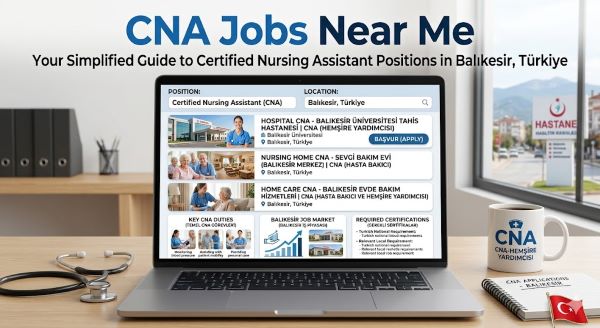
When you search “CNA jobs near me,” you’re likely exploring entry-level healthcare career opportunities. Certified Nursing Assistant positions are among the most accessible healthcare jobs available, requiring certification but not a four-year degree. Understanding where to find these positions, what employers hire CNAs, and what the role actually involves helps you make an informed decision about pursuing this career path.
What Does a CNA Do?
A Certified Nursing Assistant works under the supervision of nurses and physicians to provide direct patient care. The role combines physical tasks, emotional support, and attention to detail in healthcare settings.
CNA responsibilities include assisting patients with activities of daily living like bathing, dressing, and toileting. CNAs help patients move and position themselves in beds or chairs, which requires physical strength and proper body mechanics to prevent injury. They take vital signs, empty bedpans, change linens, and maintain patient rooms.
Beyond physical care, CNAs provide emotional support and companionship. Many patients appreciate the presence of caring staff who listen and respond to their needs. CNAs often serve as the first point of contact for patient concerns and communicate relevant information to nurses.
The work is demanding both physically and emotionally. Shifts often include standing for extended periods, lifting patients, and managing stressful situations with patience and compassion. However, the role provides immediate job satisfaction through direct impact on patient wellbeing.
Types of Healthcare Employers Hiring CNAs
CNA job opportunities exist across multiple healthcare settings, each with different work environments and patient populations.
Hospitals: Acute care hospitals employ the most CNAs, with positions in medical-surgical units, intensive care, emergency departments, and specialty units. Hospital roles often involve higher patient acuity and faster-paced environments.
Nursing Homes and Assisted Living: Long-term care facilities employ significant CNA staff. These positions focus on chronic care and supporting residents with ongoing needs. The pace is often less hectic than hospitals but requires patience with repetitive tasks.
Home Health Agencies: CNAs working in home health visit patients in their homes, providing personal care and assistance. This role offers flexibility and independence but requires reliable transportation and time management.
Rehabilitation Centers: Facilities specializing in physical therapy and recovery employ CNAs supporting patients through rehabilitation processes. These roles often feel rewarding as patients progress toward recovery.
Hospice Organizations: End-of-life care settings employ CNAs focused on comfort and dignity for terminally ill patients. This work requires emotional resilience but provides meaningful purpose.
Doctor’s Offices and Clinics: Some outpatient settings employ CNAs for patient support, though these positions are less common than hospital or facility roles.
Home Care Services: Private agencies connecting CNAs with individual clients needing in-home assistance offer flexibility and independent work arrangements.
Each employer type offers different schedules, patient interactions, and working conditions. Your preference for environment and patient population influences where you should focus your job search.
Finding CNA Jobs in Your Area
Multiple resources help you locate CNA positions near you.
Job Search Websites: Indeed, LinkedIn, and healthcare-specific job boards like Health eCareers and NursingJobs.com list CNA positions with filtering by location. You can set job alerts to receive notifications when matching positions post.
Healthcare Facility Websites: Many hospitals, nursing homes, and clinics post job openings directly on their websites. Visiting employer sites directly sometimes reveals positions not listed elsewhere.
Local Health Department: Your county or state health department website may list certified employers and available positions.
Networking: Speaking with nursing instructors, classmates, and healthcare professionals provides leads on positions before they’re publicly posted. Many facilities fill positions through referrals.
Staffing Agencies: Healthcare staffing companies specialize in placing CNAs in temporary and permanent positions. Agencies often have immediate openings and flexible scheduling options.
Social Media: Some facilities post openings on Facebook and other platforms. Following local hospitals and nursing homes keeps you updated on hiring announcements.
When searching, use location filters and set alerts for your preferred facility types. This saves time compared to manually checking multiple sites daily.
Salary and Compensation Expectations
CNA compensation varies based on location, employer type, experience level, and shift worked.
Entry-level CNAs typically earn between 24,000 and 30,000 dollars annually, depending on region and employer. Hourly rates generally range from 12 to 18 dollars per hour. Urban areas and large medical centers tend toward the higher end of these ranges, while rural facilities often pay less.
Shift differentials add to base pay. Evening and night shift positions typically pay 1 to 3 dollars more per hour than day shifts. Weekend differentials provide additional compensation for weekend work. Holidays often pay time-and-a-half or double time.
Full-time positions often include benefits like health insurance, dental coverage, retirement plans, and paid time off. Part-time positions may offer limited benefits depending on employer policy. Many facilities require new CNAs to start part-time before transitioning to full-time roles.
Overtime opportunities increase earnings, particularly in facilities experiencing staffing shortages. However, mandatory overtime in nursing homes and hospitals is common and should be factored into realistic earning expectations.
After gaining experience, CNAs can earn 30,000 to 40,000 dollars annually, especially in high-cost areas or specialized units. Pursuing higher certifications or advancing to nursing roles increases earnings substantially.
Requirements and Certification
Before applying for CNA jobs, you need proper certification. Requirements vary by state but follow similar patterns.
Most states require completion of a certified nursing assistant program through an accredited training provider. These programs typically include classroom instruction covering anatomy, patient safety, infection control, and patient rights, plus hands-on clinical training.
After completing the program, you must pass a state certification exam covering written and practical components. The written portion tests knowledge of CNA responsibilities and patient care principles. The practical exam demonstrates your ability to perform actual patient care tasks under observation.
The total process from starting training to becoming certified usually takes 4 to 12 weeks depending on program intensity and your learning pace. Some programs compress training into full-time intensive schedules, while others spread content across several weeks of part-time attendance.
Costs vary by program, typically ranging from 500 to 2,000 dollars. Some employers offer tuition reimbursement or scholarships for employees pursuing CNA certification, reducing out-of-pocket costs significantly.
Maintain your certification through continuing education. Most states require renewal every 2 to 3 years, often accomplished through continuing education hours or practice as an active CNA.
Skills and Qualities for CNA Success
Beyond certification, certain qualities and skills predict success in CNA roles.
Physical capability matters. The job involves standing, walking, lifting, and moving patients. Good physical health and body mechanics training protect against injury and burnout.
Patience and compassion are essential. Patients are often frightened, in pain, or frustrated. CNAs who remain calm and respond with empathy earn patient trust and job satisfaction.
Communication skills matter tremendously. CNAs translate patient concerns to nurses, explain procedures in understandable terms, and coordinate with other staff. Clear communication prevents misunderstandings and improves patient outcomes.
Attention to detail prevents errors. Noticing changes in patient condition, maintaining accurate records, and following procedures precisely protect patient safety.
Time management allows you to balance multiple patients and competing demands without becoming overwhelmed. Efficient work habits improve your effectiveness and reduce stress.
Emotional resilience helps you process difficult patient situations, including patient death or decline. This ongoing emotional challenge shouldn’t be underestimated when considering the role.
Career Growth Opportunities
CNA positions serve as entry points into broader healthcare careers. Many professionals use CNA experience as a foundation for advancement.
Pursuing registered nursing (RN) requires a bachelor’s or associate degree but often builds on CNA knowledge and experience. Working as a CNA while pursuing nursing school provides relevant healthcare context and helps confirm that nursing aligns with your interests.
Licensed practical nurse (LPN) certification requires additional education beyond CNA but remains more accessible than RN certification. The progression from CNA to LPN to RN represents a common healthcare career path.
Specializing within CNA work, such as phlebotomy or EKG technician certification, increases earning potential without changing career paths. These add-on certifications require minimal additional training beyond CNA.
Some CNAs move into healthcare administration, patient advocacy, or non-clinical healthcare roles using their experience and understanding of patient care environments.
Key Takeaways
CNA jobs near me searches lead to Certified Nursing Assistant positions across hospitals, nursing homes, assisted living, home health, rehabilitation centers, and hospice agencies. Job search websites like Indeed and LinkedIn, facility websites, staffing agencies, and professional networking provide multiple paths to finding local openings. CNAs assist patients with daily living activities, vital sign monitoring, and emotional support under supervision of nurses and physicians. Entry-level CNA compensation typically ranges from 24,000 to 30,000 dollars annually, with hourly rates between 12 and 18 dollars depending on location and employer type. Shift and weekend differentials add 1 to 3 dollars per hour to base pay. Becoming a CNA requires completing an accredited training program and passing a state certification exam, a process typically taking 4 to 12 weeks. Physical capability, patience, compassion, communication skills, and emotional resilience determine success in the role. Hospital and acute care settings offer faster-paced environments with higher acuity patients, while nursing homes and home health provide steadier routines and longer patient relationships. CNAs earn higher compensation in urban areas and large medical centers compared to rural facilities. CNA positions serve as entry points into broader healthcare careers including registered nursing or licensed practical nursing. Building experience as a CNA confirms whether healthcare work aligns with your interests before pursuing more extensive education.